UK Gambling Commission Penalizes Leicester Operator for Self-Exclusion Shortfall
Cameron Friedrich · Aug 19, 2026

UK Gambling Commission Penalizes Leicester Operator for Self-Exclusion Shortfall
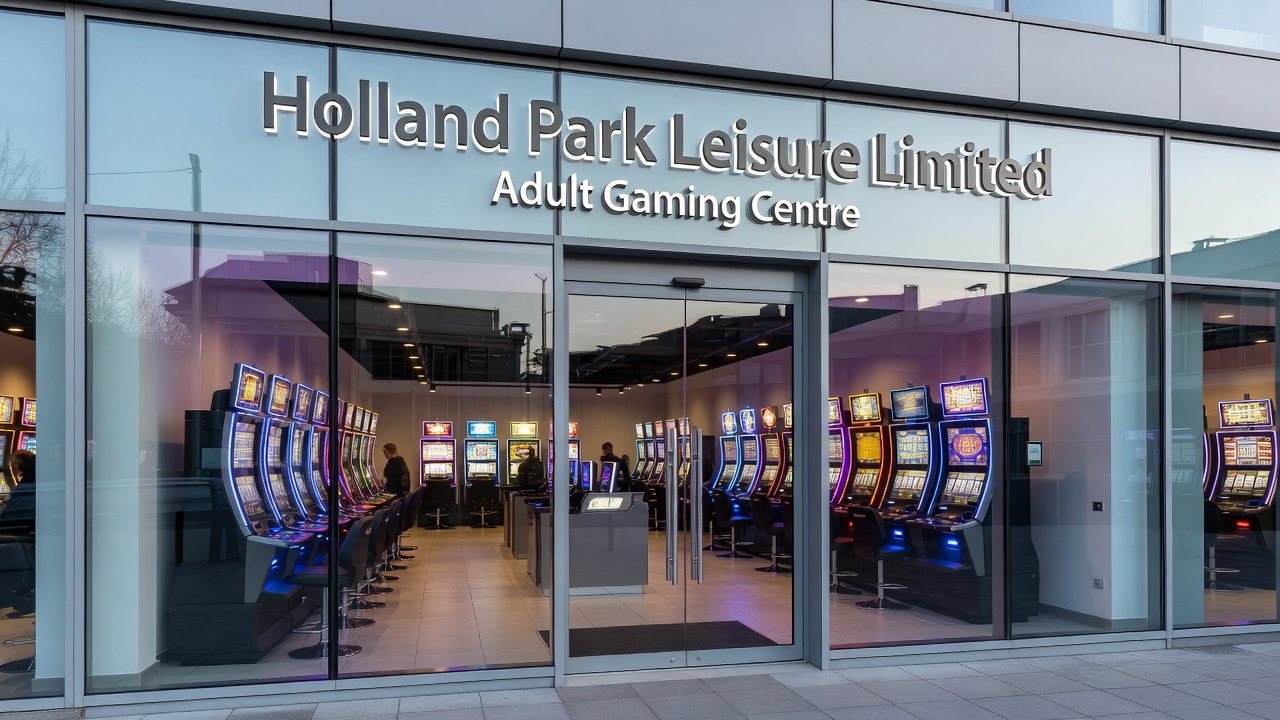
Holland Park Leisure Limited operates an adult gaming centre in Leicester within the East Midlands region, and authorities determined that this operator did not maintain a functional self-exclusion scheme for its customers. The UK Gambling Commission recorded the enforcement action on 31 July 2026, resulting in a financial penalty of £150,000. Reports from industry observers place this decision amid wider discussions about the role and regulation of high-street gaming venues across the United Kingdom.
Details of the Regulatory Finding
The Commission examined the venue's compliance records and identified gaps in the process that allows individuals to exclude themselves from gambling activities at that location. Self-exclusion schemes require operators to record requests, enforce bans across relevant sites, and prevent marketing contact during the exclusion period. In this instance the operator failed to deliver those core elements according to the published findings, which appear on the regulator's public register of regulatory actions.
Operators must integrate self-exclusion into daily operations so that customers who request exclusion receive consistent protection. The absence of such measures at Holland Park Leisure Limited's Leicester centre triggered the penalty. The Commission publishes each case on its regulatory actions page, and this entry lists the full licence details alongside the sanction amount.
Context of High-Street Gaming Venues
High-street adult gaming centres have operated under increasing scrutiny as policymakers review licensing conditions and consumer protections. Debates in 2026 have focused on venue density, age verification standards, and the effectiveness of harm-prevention tools. The Holland Park Leisure case supplies one concrete example of enforcement within that environment.
Local authorities and national regulators continue to examine how physical venues manage customer data and exclusion requests. The Leicester operator's shortfall highlighted the practical challenges of maintaining accurate records and staff training, issues that surface repeatedly in Commission reviews of similar sites.
Mechanics of Self-Exclusion Requirements
UK rules oblige every licensed gambling premises to accept self-exclusion requests and to share relevant data through approved systems so that exclusions apply consistently. The process typically involves a signed agreement, entry into a central database, and regular audits by the operator. When these steps lapse, the Commission treats the omission as a breach of licence conditions.
Holland Park Leisure Limited's failure centred on the absence of an operational scheme rather than isolated record-keeping errors. Staff at the venue did not have procedures in place to record or enforce exclusions, leaving customers without the protection the licence requires. The Commission documented these deficiencies through its compliance assessment and issued the monetary penalty as the formal outcome.
Timeline and Publication of the Decision
The regulator completed its review and published the outcome on 31 July 2026. Industry publications reported the details shortly afterwards, noting the £150,000 figure and the specific operator involved. The entry on the Gambling Commission's regulatory actions list provides the licence number, the nature of the breach, and the sanction imposed, allowing any interested party to review the case directly.
Publication of such decisions forms part of the Commission's standard transparency practice. Observers note that each entry supplies factual information without additional commentary, enabling licence holders to compare their own procedures against the shortcomings identified elsewhere.
Broader Regulatory Landscape
The adult gaming centre sector operates alongside online platforms and betting shops, each subject to the same overarching licence conditions on self-exclusion. While the formats differ, the requirement to protect customers who choose to exclude themselves remains uniform. The Leicester case demonstrates that physical venues receive the same level of scrutiny as digital operators when compliance gaps appear.
Policy discussions in August 2026 continue to weigh the future footprint of high-street venues against updated consumer-protection standards. Enforcement actions such as the one applied to Holland Park Leisure Limited supply data points that feed into those conversations, showing how existing rules translate into practice at individual sites.
Conclusion
The £150,000 penalty issued to Holland Park Leisure Limited stands as a documented instance of regulatory enforcement for non-compliance with self-exclusion obligations. The case appears on the Gambling Commission's public register dated 31 July 2026, and it coincides with ongoing parliamentary and industry debate about high-street gaming venues in the United Kingdom. The facts of the breach, the amount of the sanction, and the regulatory context remain available for review through official channels.